How to Build a Beautiful Island in Animal Crossing: New Horizons
Introduction
Animal Crossing: New Horizons gives players freedom to design their island. A good layout requires planning, resource management, and gradual development.
How to Plan Your Island
Decide on your island's theme before moving buildings or changing terrain. Plan areas for homes, shops, the museum, farms, and recreation.
How to Earn Bells
Fishing, catching insects, collecting shells, selling fruit, and gathering valuable items are useful ways to earn Bells.
Keep important crafting materials instead of selling everything.
How to Collect Resources
Collect wood, stone, iron, fruit, and seasonal materials every day. Keeping a regular supply prevents problems when you need materials for crafting or construction.
How to Develop the Island
Complete Tom Nook's tasks, invite residents, and unlock new facilities. These improvements give you more options for customizing the island.
How to Arrange Villager Houses
Place houses in organized areas instead of scattering them randomly.
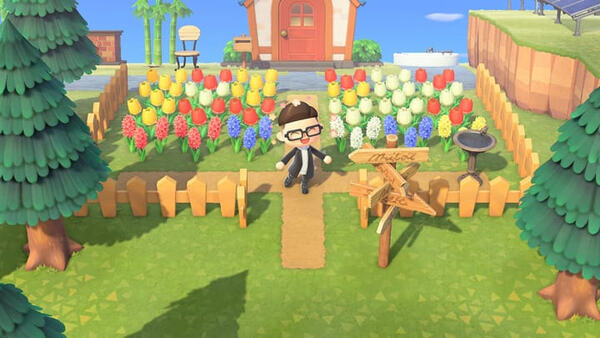
Leave enough space for gardens, paths, fences, and decorations.
How to Use Terraforming
Change cliffs, rivers, and waterfalls gradually. Start with small projects and expand them once you are satisfied with the design.
How to Create Paths
Use paths around important locations to improve navigation. Leave forests, beaches, and natural areas less developed for variety.
How to Build Themed Areas
Create areas with specific purposes, such as cafés, markets, parks, campsites, or gardens.
Use matching furniture, colors, plants, and decorations to maintain a consistent theme.
How to Improve Your Island
Walk around regularly and look for empty or overcrowded areas. Move buildings, replace decorations, and redesign paths when necessary.
How to Finish Your Island
Add lighting, signs, flowers, furniture, viewpoints, and other details.
Do not try to make every area perfect. Leave some natural spaces so the island feels more alive.
Conclusion
A beautiful Animal Crossing: New Horizons island comes from good planning and gradual improvement. Focus on layout, resources, buildings, terrain, and themed areas while leaving room for future changes.