





Introduction
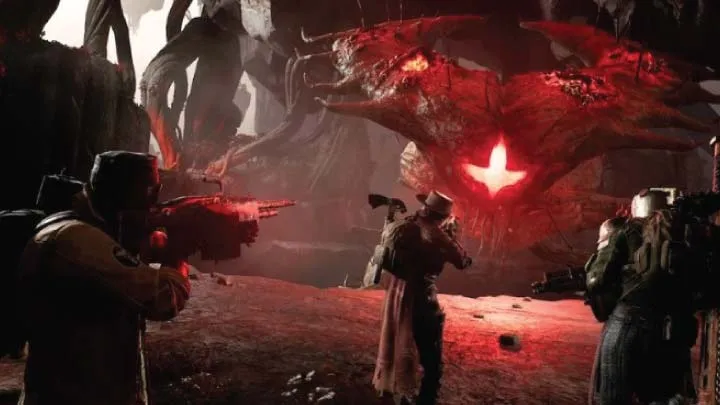
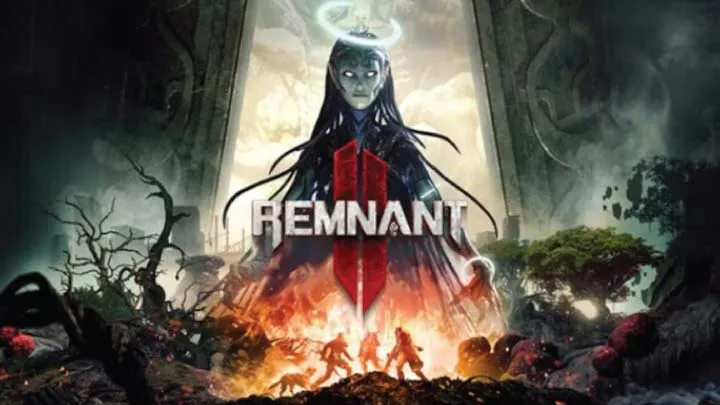
Remnant II, the sequel to the acclaimed Remnant: From the Ashes, builds upon its predecessor's robust combat system while introducing new mechanics that elevate gunplay to an art form. The game immerses players in a post-apocalyptic world filled with nightmarish creatures and treacherous environments, demanding skills not just in shooting but also in strategy, positioning, and resource management. A significant aspect of this experience lies in the game's approach to gunplay, which incorporates a hybrid of RPG elements, fluid mechanics, and player choices. This article will delve deeply into the nuances of gunplay in Remnant II, exploring how its design influences player engagement, the metagame, and the overall experience within the game.
Foundations of Gunplay: The Basics
Weapons and Their Types
At the core of Remnant II is its array of weapons that reflects the game's hybrid nature, combining traditional firearms with unique mechanics.
- Range of Options: Players have access to a diverse collection of weapons, from pistols and shotguns to more exotic firearms with unique abilities. Each weapon type serves distinct playstyles, allowing players to tailor their approach based on preferences and challenges.
- Weapon Classes: The game categorizes weapons into specific classes (e.g., rifles, melee weapons), and each class comes with its own strengths and weaknesses, encouraging exploration of different builds for varying combat scenarios.
Customization and Modifications
Customization is one of the game's standout features, offering players a chance to modify weapons to better suit individual playstyles.
- Upgrades and Mods: Players can enhance weapon performance through upgrades, enabling improved stats like damage, recoil, and elemental effects. Modifications allow players to tweak how a weapon functions, granting unique abilities such as healing, area damage, or explosive rounds.
- Impact on Gunplay: The ability to fine-tune weapons significantly alters gameplay, allowing players to experiment with various configurations to find the perfect match for their combat style.
The Core Mechanics: A Dance of Precision and Strategy
Dynamic Reloading
One of the notable aspects of gunplay in Remnant II is its dynamic reloading system, which adds an element of skill and strategy.
- Reload Timing: Players can execute a perfectly timed reload to gain a damage boost, which encourages careful ammunition management and thoughtful timing in the heat of battle.
- Impact on Combat Flow: This mechanic promotes an engaging rhythm where players must think about both offense and defense, keeping the pace of combat fluid while emphasizing skill through risky decisions.
Aiming and Precision
The design encourages players to focus on accuracy rather than relying solely on firepower, shaping gunplay in a way that rewards skillful players.
- Headshots and Critical Hits: The game emphasizes headshots as a key strategy for maximizing damage output, adding layers of depth to combat engagements. The importance of aiming accurately can change the tides of battle, making positioning and timing critical.
- Tactical Advantages: Enemies are also designed to challenge this mechanic; players must learn and memorize enemy patterns, adopting tactics that complement their weapon choices while maximizing critical hits.
Cooperative Gameplay: The Role of Team Dynamics
Building Synergies
Remnant II emphasizes co-op gameplay, allowing players to join forces, which fundamentally impacts the experience and approach to gunplay.
- Complementary Roles: Players often pick different archetypes to ensure that their abilities and weapons synchronize effectively. Classes' unique skills can support each other, emphasizing the importance of teamwork.
- Shared Resources: Limited ammo and resources boost the necessity of cooperative strategy. Players need to share and strategize on resource management to ensure they can sustain their firepower during engagements.
Communication and Coordination
Effective communication becomes essential in navigating the game's challenging environments and enemies.
- In-Game Communication: Quick comms and pings can convey vital information about enemy positions, resource availability, or immediate threats, enhancing cooperative gameplay.
- Team Strategies: Players may develop unique strategies that incorporate specific weapon types, creating a synergistic approach to tackling overwhelming foes or bosses.
Enemy Design: Responding to the Gunplay
Varied Threats
The variety within enemy design plays a significant role in shaping the gunplay experience, encouraging players to adapt their strategies on the fly.
- Unique Mechanics: Each enemy type has its distinct mechanics, requiring players to adjust their gunplay tactics accordingly. For example, some enemies may have shields that require players to switch weapons or utilize mods to breach defenses.
- Adaptation Required: Engaging with these diverse enemies drives the need for fluid gunplay, encouraging players to think critically about their weapon choices and abilities during battle.
Introducing Challenge
The game balances between rewarding gunplay and presenting significant challenges to keep players engaged.
- Dynamic Encounters: Randomized spawns and environmental factors keep combat scenarios fresh. Players must be adaptable, constantly reassessing their approach based on emerging threats.
- Learning Curve: As players face tougher enemies, they refine their skills, improving their overall gunplay as they learn patterns, weaknesses, and optimal strategies for each encounter.
Environmental Interaction: Enhancing Gunplay
Immersive Environments
The design of the environments within Remnant II fosters interaction that enhances the gunplay experience.
- Cover Mechanics: Players can utilize covers, ensuring that movement remains strategic. Positioning around cover aids both offensive and defensive maneuvers, allowing for a more tactical maneuvering in battles.
- Destructible Environments: Enemies and players can interact with destructible elements in the world, creating openings and opportunities that alter the course of engagements in meaningful and explosive ways.
Navigating the Terrain
Level design not only serves as a backdrop but as a significant factor influencing movement and tactical decisions made during combat.
- Verticality: Players often encounter multi-leveled environments, encouraging them to adapt their gunplay strategy in response to height advantages or disadvantages, affecting sightlines and combat approaches.
- Environmental Hazards: Players must also navigate hazards that can influence combat, integrating environmental storytelling with effective gunplay.
Progression Mechanics: Evolving Gunplay
Character Development
Progression in Remnant II is intricately tied to gunplay mechanics, encouraging players to enhance their abilities over time.
- Skill Trees: Each class comes with distinct skill trees that players can invest in, further customizing their playstyle and enhancing gun mechanics. Skills that complement gunplay allow for tactical advantages and improved damage outputs.
- Unlocking New Abilities: As players progress, they unlock new skills and passive abilities that directly impact their gunplay effectiveness. This progression fosters a sense of growth and personal achievement in mastering the game.
Equipment and Upgrades
The equipment system in Remnant II significantly influences gunplay, offering options for customization and improvements.
- Upgrading Weapons: Players can upgrade their firearms through crafting and resource management, enhancing damage and utility. This progression allows for further experimentation and adaptation in combat.
- Gear Modification: Equipping different armor sets grants unique bonuses that can enhance overall survivability and gunplay mechanics, directly influencing how players approach combat situations.
Gunplay in the Metagame: Community Engagement
Player-Evolved Strategies
The community’s engagement with Remnant II fosters an evolving metagame that constantly shapes gunplay strategies.
- Shared Knowledge: Players often share optimal builds, strategies, and tactics through forums and social media, enhancing their understanding of the game and creating a collaborative learning environment.
- Innovative Techniques: Speedrunners and challenge-seekers discover unique strategies revolving around gunplay, pushing the boundaries of how the game is perceived and played.
Competitive Play
The competitive aspect of Remnant II showcases the skill involved in mastering gunplay, increasing its significance.
- Tournaments and Events: Community-organized tournaments provide platforms for players to showcase their skills, emphasizing gunplay proficiency and strategy in a competitive setting.
- High Skill Reqs: Competitive play often drives players to refine their gunplay techniques, leading to greater investment in the overall gaming experience.
Future Directions: Evolving Gunplay Mechanics
Potential Updates
As the game evolves, there are opportunities for developers to enhance gunplay mechanics through updates and expansions.
- New Weapons and Mods: Future content may introduce additional weapons and modifications that can change the landscape of combat, providing fresh experiences for players.
- Balance Adjustments: Developers continually monitor the community's feedback, ensuring that weapon performance and mechanics remain balanced while allowing for innovative approaches to gunplay.
Community Feedback Integration
Listening to the player community can help shape the future of gunplay in Remnant II, ensuring an engaging experience.
- Adaptive Development: By staying attuned to player experiences and suggestions, developers can implement changes that refine mechanics and enhance gameplay quality.
Conclusion
The art of gunplay in Remnant II transcends mere shooting mechanics; it integrates precision, strategy, and adaptability into a rich tapestry of gameplay that keeps players engaged. The diverse weapons, dynamic combat systems, and challenging enemy designs combine to create a rewarding experience that resonates with players on multiple levels. As communities collaborate to discover new strategies and techniques, the future of gunplay continues to stimulate innovation and engagement. With already established foundations, future updates promise to enrich and refine the experience even further, marking Remnant II as a standout title in the action RPG genre.