.webp)
Top 5 Games With the Best Survival Experience
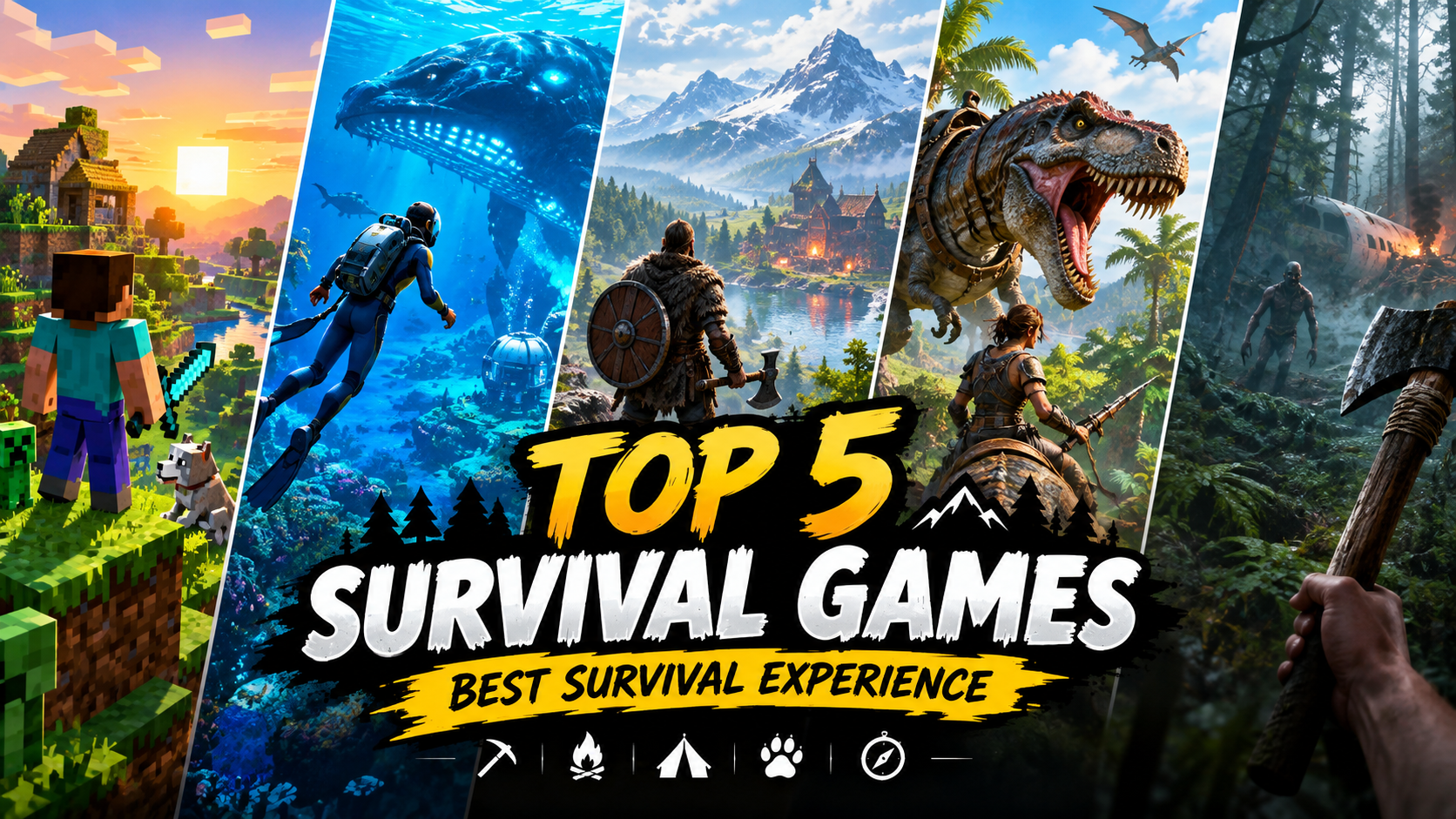
Survival games have evolved far beyond simply collecting resources and staying alive. The best survival experiences combine exploration, crafting, progression, danger, and discovery to create worlds that feel rewarding over many hours. From prehistoric landscapes to mysterious planets and hostile wilderness, each game approaches survival from a different angle.
This article explores five games that stand out for their survival-focused experiences, looking at how each one introduces its world, develops its challenges, and keeps the experience engaging over time.
1. The Beginning of a Survival Journey
The opening moments of a survival game often establish its entire identity. A strong beginning places players in an unfamiliar environment, gives them immediate reasons to explore, and gradually introduces the systems that will define their journey. The sense of vulnerability during these early moments can make even basic discoveries feel meaningful.
Games such as Minecraft, Subnautica, Valheim, ARK: Survival Evolved, and The Forest all use different settings to create this initial feeling of uncertainty. Whether players wake up in a mysterious ocean, arrive in a dangerous wilderness, or find themselves surrounded by dinosaurs, the first few minutes establish a clear survival objective.
2. Minecraft – Freedom Through Survival
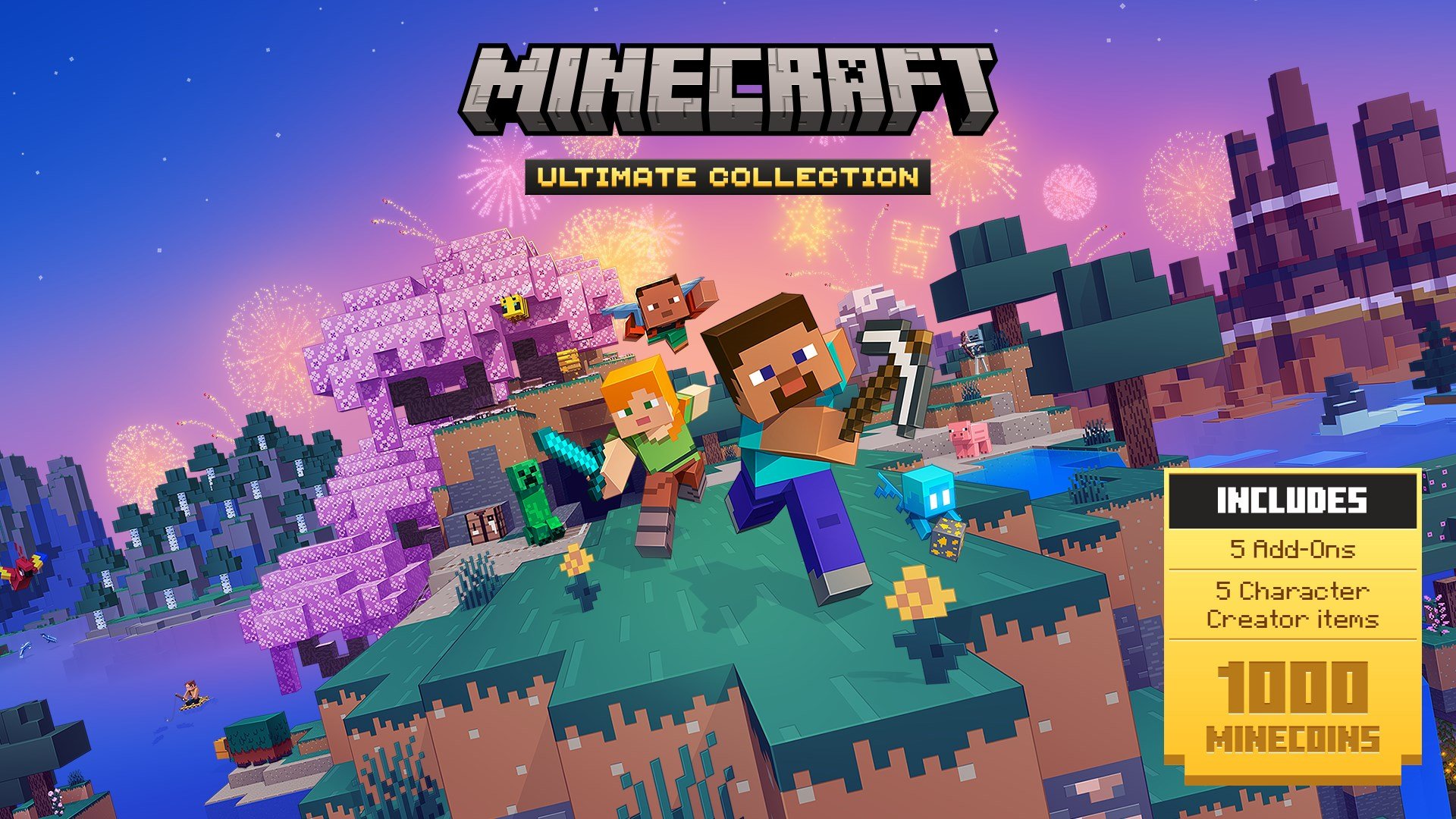
Minecraft remains one of the most recognizable survival games because it combines simple mechanics with enormous creative freedom. Players begin with almost nothing and must gather wood, stone, food, and other materials before creating tools and establishing a secure base.
As time passes, survival becomes increasingly connected to exploration and construction. The world provides countless possibilities, allowing players to decide whether they want to focus on building, mining, farming, exploration, or combat.
Why Its Survival Loop Works
- Simple resource gathering
- Extensive crafting systems
- Procedurally generated worlds
- Large-scale building possibilities
- Constant exploration opportunities
3. Subnautica – Survival Beneath the Ocean
Subnautica changes the traditional survival formula by placing almost the entire experience underwater. After arriving on an alien ocean planet, players must explore increasingly dangerous environments while searching for resources and clues about the mysterious world around them.
The progression feels particularly rewarding because new equipment allows players to reach areas that were previously inaccessible. What begins as a struggle to survive near the surface gradually develops into a much larger exploration of the planet's oceans.
Exploration Becomes Progression
Every new depth introduces different creatures, environments, resources, and dangers. The deeper players travel, the greater the risks become, creating a natural sense of progression without relying entirely on traditional combat.
4. Valheim – Building a World From the Ground Up
Valheim combines survival mechanics with Norse-inspired exploration. Players enter a mysterious world filled with forests, mountains, oceans, ruins, and powerful creatures. Early survival revolves around gathering materials, preparing food, crafting equipment, and constructing a basic shelter.
Over time, the experience becomes much broader. Players can establish increasingly sophisticated bases, construct ships, explore distant regions, and prepare for battles against powerful bosses. The world encourages gradual expansion rather than forcing players through a strict sequence of objectives.
A Growing Survival System
Food, equipment, building materials, transportation, and exploration all become interconnected. A stronger base makes preparation easier, while better equipment allows access to more dangerous areas and valuable resources.
5. ARK: Survival Evolved – Living Among Dinosaurs
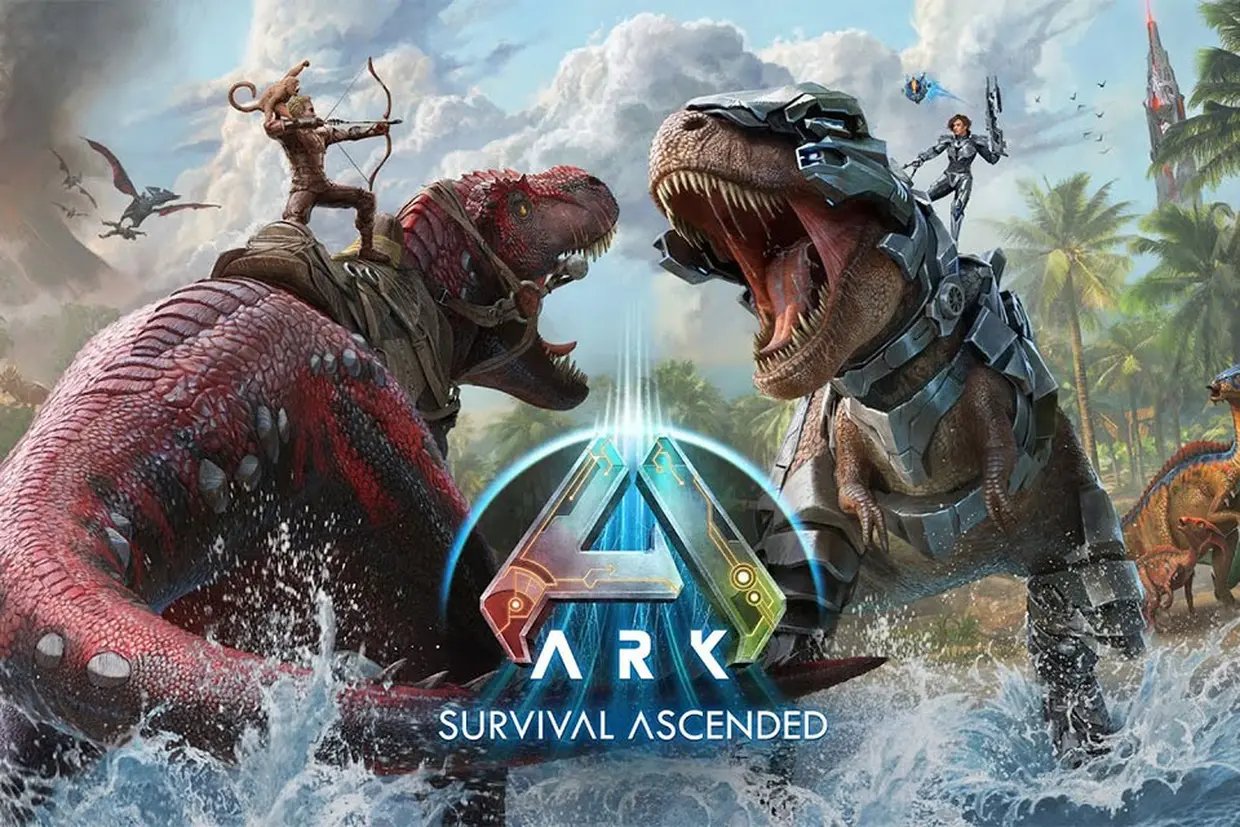
ARK: Survival Evolved places survival in a world populated by dinosaurs and other prehistoric creatures. The early game can be particularly dangerous because players begin with limited equipment while powerful creatures roam the environment.
One of the game's defining features is its creature-taming system. Instead of simply avoiding dangerous animals, players can eventually capture and raise creatures for transportation, protection, gathering resources, and exploration.
From Survivor to Creature Handler
- Gather resources and craft equipment
- Build shelters and larger bases
- Discover and tame creatures
- Explore different environments
- Develop stronger technology over time
6. The Forest – Survival Under Constant Threat
The Forest takes survival in a darker direction. After a plane crash, players must search an isolated forest for resources while attempting to understand what happened. The environment initially appears relatively peaceful, but exploration gradually reveals that something much more dangerous is hiding beneath the surface.
The game combines resource management with horror and exploration. Building a shelter provides protection, but remaining in one location for too long can also limit access to important resources and discoveries.
Survival and Storytelling
The Forest stands out because exploration is tied closely to its mysterious narrative. Caves, abandoned locations, environmental clues, and encounters with hostile inhabitants gradually reveal more about the world.
7. How Survival Changes Over Time
The strongest survival games rarely remain exactly the same from beginning to end. Early gameplay focuses heavily on basic necessities such as food, shelter, tools, and protection. Once these problems are solved, attention naturally shifts toward exploration, progression, and larger objectives.
This progression creates a satisfying transformation. Players begin by reacting to threats and eventually gain enough knowledge and equipment to control their surroundings. The feeling of becoming increasingly capable is one of the most important elements of the genre.
8. Exploration Becomes More Important
After players establish a reliable survival routine, exploration becomes one of the main reasons to continue playing. New locations provide resources, environmental discoveries, creatures, structures, and challenges that cannot be found near the starting area.
Each of the five games approaches exploration differently. Minecraft emphasizes limitless discovery, Subnautica uses depth to create progression, Valheim encourages travel across biomes, ARK focuses on discovering creatures and environments, while The Forest connects exploration closely to mystery and narrative.
9. What Keeps Players Coming Back
Long-term survival games need more than an interesting opening. They need systems that continue producing meaningful objectives after the initial challenge has been overcome. Crafting, construction, exploration, character progression, combat, and world discovery all contribute to this longevity.
Key Long-Term Elements
- Progressive equipment and technology
- Expanding exploration areas
- Base-building opportunities
- Increasingly difficult threats
- Rare resources and discoveries
- Large worlds with different environments
These systems work especially well when they interact with one another. Better equipment enables deeper exploration, exploration reveals better resources, and those resources unlock stronger equipment and more ambitious projects.
10. Choosing a Survival Experience
Each game offers a different interpretation of survival. Minecraft focuses heavily on freedom and creativity, Subnautica emphasizes underwater exploration, Valheim combines survival with Norse adventure, ARK centers its experience around prehistoric creatures, and The Forest blends survival with horror and mystery.
Rather than offering the same experience in different settings, these games demonstrate how flexible the survival genre can be. The best choice depends on whether a player is more interested in building, exploration, creatures, combat, mystery, or simply discovering what lies beyond the next horizon.
Final Thoughts
Survival games are at their most engaging when basic survival gradually develops into a much larger adventure. These five titles demonstrate how resource gathering, exploration, progression, and discovery can transform a simple struggle to stay alive into an experience that lasts for dozens or even hundreds of hours.