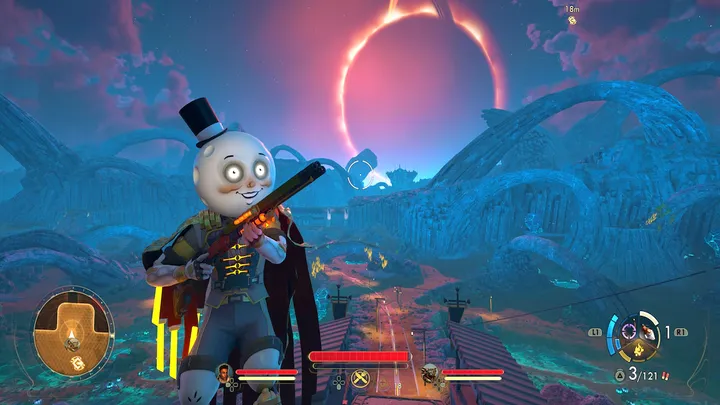





The Outer Worlds 2 is not designed to reward rushed shooting or shallow decision-making. It is a role-playing experience where systems quietly react to how you think, not just how fast you act. Many players approach it like a standard action RPG and miss its real depth. This blog focuses on a specific, advanced topic: how to build a flexible character that thrives across combat, dialogue, and consequence-driven missions, allowing you to control the narrative and gameplay instead of being boxed into one solution.
Understanding The Core Philosophy of The Outer Worlds 2

The Outer Worlds 2 builds upon its predecessor by deepening player agency. Every skill point, perk choice, and dialogue option feeds into a reactive system that reshapes encounters.
Key design pillars:
- Multiple solutions for every objective
- Character flaws as meaningful mechanics
- Dialogue as powerful as combat
- Long-term consequences, not instant rewards
To succeed, players must think like planners, not just fighters.
Early Game Focus: Designing Your Character’s Identity
Why Early Choices Matter More Than Gear
In the opening hours, weapons and armor are temporary. Skills and perks are permanent. The biggest mistake players make is spreading points too thin.
Early focus should answer one question:
How do I want to solve problems?
Possible identities:
- Tactical problem-solver
- Persuasive manipulator
- Precision-based combatant
- Hybrid opportunist
A clear identity prevents wasted progression.
Recommended Early Skill Priorities
- Dialogue-related skills for narrative control
- One primary combat skill only
- Utility skills that unlock alternate paths
- Avoid investing everywhere “just in case”
Commitment creates power.
Dialogue as a Strategic Weapon
Reading Conversations Like Encounters
In The Outer Worlds 2, dialogue is not flavor—it is gameplay. Conversations often determine:
- Whether combat happens
- Who survives
- Which factions support you
- How missions branch
Listening carefully unlocks hidden leverage.
Advanced Dialogue Techniques
- Delay responses to gather context
- Use faction knowledge to manipulate outcomes
- Stack dialogue skills to bypass objectives
- Choose silence strategically
Words often achieve what weapons cannot.
Combat Depth: Winning Without Overcommitting

Tactical Positioning Over Raw Damage
Combat encounters reward positioning, timing, and preparation more than aggression. Charging forward often triggers unnecessary reinforcements.
Effective combat principles:
- Use vertical space
- Control chokepoints
- Isolate enemies
- Retreat to reset encounters
Combat is a puzzle, not a brawl.
Smart Ability Usage
- Save abilities for control, not damage
- Combine effects instead of spamming
- Use environment hazards intentionally
- End fights early by targeting leaders
Efficiency reduces risk.
Companion Synergy and Control
Choosing Companions Based on Playstyle
Companions are extensions of your build. Their skills and personalities influence combat and story outcomes.
Match companions to:
- Your weakest skill areas
- Your narrative goals
- Your preferred combat rhythm
Wrong companion choices increase difficulty.
Maximizing Companion Effectiveness
- Equip complementary gear
- Trigger abilities manually
- Position companions defensively
- Use dialogue-based companion bonuses
Companions are tools, not background characters.
Perks and Flaws: Long-Term Power Decisions

Understanding Flaws as Opportunities
Flaws are not punishments—they are trade-offs. Accepting them unlocks powerful perks that shape your playstyle.
Good flaw usage:
- Accept flaws that match your habits
- Avoid flaws that limit core strengths
- Use flaws to reinforce roleplay identity
Controlled weakness creates specialization.
Perk Selection Strategy
- Prioritize flexibility perks early
- Choose combat perks only after testing weapons
- Avoid situational perks unless committed
Perks define how you solve problems.
Exploration and Environmental Storytelling
Why Exploration Is Not Optional
Exploration unlocks:
- Alternate quest paths
- Hidden dialogue options
- Faction secrets
- Environmental advantages
Rushing missions locks you out of options.
How to Explore Efficiently
- Scan environments vertically
- Read terminals and notes
- Observe NPC routines
- Revisit areas after story changes
The world changes based on your actions.
Faction Dynamics and Long-Term Consequences

Playing Factions Against Each Other
The Outer Worlds 2 allows simultaneous faction involvement, but loyalty is tracked beneath the surface.
Smart faction play:
- Delay commitments
- Gather leverage before choosing sides
- Avoid public betrayals
- Maintain plausible deniability
Neutrality is often temporary but powerful.
Reputation Management Tips
- Complete low-risk favors first
- Use dialogue to defuse hostility
- Avoid unnecessary violence
- Understand faction values
Reputation shapes endgame outcomes.
Mid-Game Optimization: Refining Your Build
Identifying Build Weaknesses
By mid-game, patterns emerge. Notice:
- Where you struggle
- Which skills you never use
- Which solutions you rely on most
Then refine.
Adjustment Strategies
- Respec if necessary
- Swap companions strategically
- Shift perks toward efficiency
- Focus on one solution path per mission
Refinement increases consistency.
Late Game Mastery: Controlling Outcomes

Turning Preparation Into Dominance
Late-game success depends on how well you prepared earlier. Players who planned feel powerful without feeling overpowered.
Late-game priorities:
- Dialogue dominance
- Resource efficiency
- Controlled combat encounters
- Narrative leverage
You stop reacting and start directing.
Avoiding Endgame Mistakes
- Rushing final decisions
- Ignoring faction consequences
- Overconfidence in combat
- Skipping exploration
The ending reflects your habits.
Common Mistakes That Limit Player Potential
- Building “balanced” characters
- Ignoring dialogue skills
- Treating flaws as negatives
- Using companions passively
- Solving everything through combat
Depth rewards intention.
Conclusion
The Outer Worlds 2 shines brightest when approached as a game of intentional choices, strategic restraint, and long-term planning. Mastery does not come from perfect aim, but from understanding systems, reading situations, and committing to a character identity. By building with purpose and thinking beyond combat, players unlock the full richness of its reactive universe and shape outcomes that feel earned, personal, and unforgettable.